


Stomach pain that keeps coming back. Loose stools that don’t settle. Fatigue that makes ordinary days feel far harder than they should. Maybe you’ve been told it’s stress, a sensitive stomach, or IBS. Maybe you’re still waiting for answers and wondering whether you’re overreacting.
You’re not overreacting.
For many people, Crohn’s disease enters life in a confusing way. It rarely begins with a neat, obvious pattern. It can look like a run of “bad stomach days”, then become weeks of pain, urgency, missed plans, worry about eating out, and the quiet fear that something more serious is going on.
If you’ve just been diagnosed, or if you suspect Crohn’s disease might explain your symptoms, this guide is for you.
Introduction Navigating Your Health Journey
A lot of people reach this point after months of second-guessing themselves.
You might have noticed that meals have become stressful. You eat, then brace for cramps. You plan journeys around toilets. You feel washed out, but routine life keeps moving and other people can’t always see what’s happening.

Crohn’s disease is one form of inflammatory bowel disease, often shortened to IBD. In the UK, it affects approximately 100,000 to 115,000 people, with a prevalence of around 170 per 100,000 population, and higher rates in Scotland. It commonly first appears between ages 15 to 30, although it can show up later too, according to UK prevalence information on Crohn’s disease.
That matters for one reason. If this is what you’re facing, you’re not alone, and what you’re experiencing is recognised.
Why the journey can feel so uncertain
Crohn’s disease doesn’t always announce itself clearly at the start. One person may have abdominal pain and diarrhoea. Another may feel mainly tired, lose weight without trying, or notice mouth ulcers, poor appetite, or bleeding. Some people have symptoms in waves. Others feel unwell more steadily.
That variety is one reason diagnosis can take time.
Practical rule: If bowel symptoms keep coming back, keep disrupting normal life, or are linked with pain, bleeding, weight loss, or exhaustion, they deserve proper assessment.
What this guide will help you understand
You may be asking questions like these:
- What are the main symptoms of Crohn’s disease/
- How is Crohn’s disease diagnosed?
- What tests are used?
- Can Crohn’s be mistaken for IBS?
- When should I see a specialist?
What Is Crohn’s Disease and What Causes It
Crohn’s disease is a long-term inflammatory condition that affects the digestive tract.
The simplest way to think about it is this. Your immune system is supposed to act like a security team. In Crohn’s disease, that security team becomes over-alert and starts reacting in ways that inflame the bowel. Instead of settling down after a threat passes, the inflammation can continue and damage the gut lining.
Where Crohn’s disease can affect the body
Unlike some other bowel conditions, Crohn’s disease can affect any part of the digestive tract, from the mouth to the anus. Many people have inflammation in the small bowel, the colon, or both.
That wide range is one reason symptoms can differ so much between patients.
It also helps explain why two people with the same diagnosis may talk about very different experiences. One may struggle mostly with diarrhoea. Another may get pain after meals. Someone else may have problems around the bottom, such as soreness or drainage related to inflammation in that area.
What causes it
There isn’t one single cause.
Crohn’s disease is understood as a condition involving a mix of:
- Immune system activity that becomes inappropriate or overactive
- Genetic susceptibility, meaning some people are more prone to developing it
- Environmental influences, which may shape when and how the disease appears
It’s important to separate cause from trigger.
Foods don’t cause Crohn’s disease. Stress doesn’t cause Crohn’s disease either. But both can make symptoms feel worse in some people, especially during a flare. That’s why people often get mixed messages. They notice that certain foods upset them, then assume food must have caused the illness. Usually, it’s more accurate to say food may aggravate an already inflamed bowel.
A condition doctors have learned to recognise more clearly over time
Crohn’s wasn’t always well understood. UK cases were noted as early as 1901, the condition was formally described in 1932, and it was once confused with intestinal tuberculosis. By the 1970s and 1980s, UK studies documented annual incidences of 7 to 9 per 100,000, reflecting major epidemiological change, as described in this historical review of Crohn’s disease.
That history still matters today. It reminds us that Crohn’s disease is real, recognised, and medically complex. It isn’t “just a bad gut”.
Crohn’s disease is not the same as IBS
People often confuse IBD and IBS because both can cause abdominal pain and bowel changes.
The difference is significant. IBS is a functional bowel disorder, meaning the bowel is sensitive and its function is disrupted, but it does not cause the same inflammatory damage seen in Crohn’s disease. Crohn’s disease causes inflammation, and that inflammation can lead to ulcers, narrowing, fistulas, and other complications if it isn’t managed properly.
When symptoms are ongoing, doctors don’t rely on symptoms alone. They use tests to find out whether inflammation is present.
Recognising the Main Symptoms of Crohn’s Disease
For many families, this is the point where things start to click. Symptoms that seemed random begin to form a pattern.
Crohn’s disease often affects everyday life long before a diagnosis is made. Someone may stop eating full meals because they fear the pain afterwards. They may start leaving events early because of urgent trips to the toilet. A teenager may seem withdrawn and tired. An adult may blame work stress while feeling worse each month.
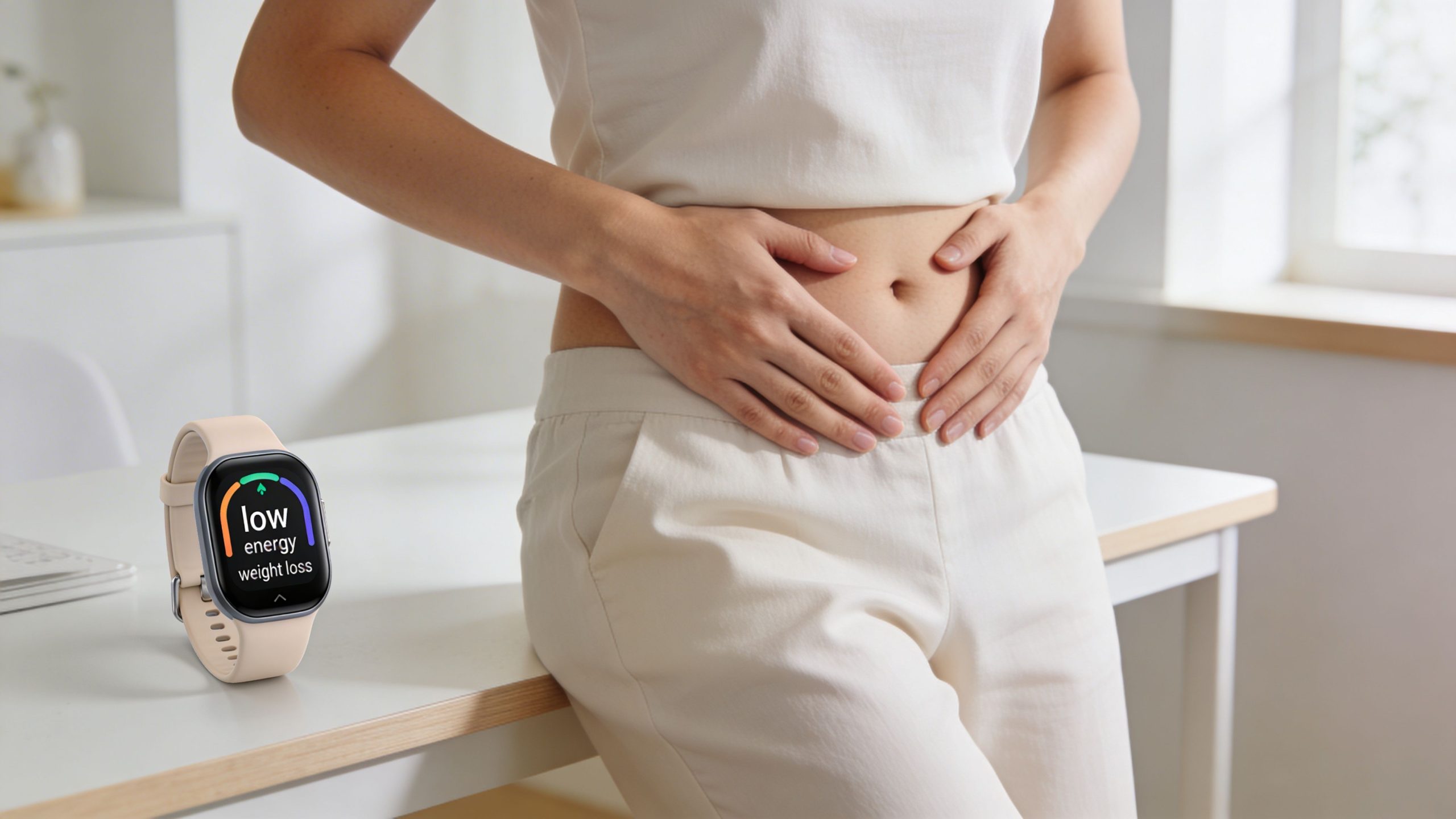
The main symptoms of Crohn’s disease
The most common symptoms usually involve the gut, but not always in the same combination.
- Abdominal pain and cramping. This may come and go or feel more persistent. Some people notice it after eating.
- Persistent diarrhoea. Stool may be loose, frequent, urgent, or difficult to control.
- Blood or mucus in the stool. This needs medical attention, even if it happens only sometimes.
- Fatigue. Not just feeling sleepy, but the heavy, drained feeling that affects work, school, and concentration.
- Reduced appetite. Eating may become associated with discomfort.
- Unplanned weight loss. Some people lose weight because they eat less, absorb less, or both.
Symptoms outside the bowel
Crohn’s disease can affect more than digestion.
Some people develop:
- Joint pain
- Mouth ulcers
- Eye irritation or inflammation
- Skin problems
- General malaise, where they feel unwell
This can be confusing because it doesn’t seem connected to the bowel at first. But in inflammatory conditions, the immune system can affect several parts of the body.
Flares and remission
One of the hardest parts of Crohn’s disease is its unpredictability.
You may hear two words often:
| Term | What it means in plain language |
|---|---|
| Flare | A period when inflammation is active and symptoms worsen |
| Remission | A period when symptoms settle and the disease is quieter |
Some people mistake a better spell for the problem being gone. Then symptoms return and the whole process starts again. That’s emotionally exhausting, and it can make people delay seeking help because they think, “Maybe it’s settled now.”
If symptoms keep cycling in and out, that’s still worth investigating. Intermittent symptoms can still reflect active disease.
The emotional side matters too
Living with bowel symptoms can feel embarrassing, especially if you’re young, from a close-knit community, or surrounded by people who don’t understand chronic illness.
Research discussed in this article on Crohn’s perceptions in minorities reports that as many as half of non-white people diagnosed with IBD have experienced discriminatory behaviours from their own communities. That matters because shame and stigma can stop people asking for help, taking treatment, or speaking openly about symptoms.
If you’re supporting a loved one, this is a place where your response matters hugely. Calm questions, practical help, and a non-judgemental attitude can make it far easier for someone to access care.
When symptoms should raise concern
Please don’t wait it out for months if you notice a pattern like this:
- Symptoms that persist for weeks rather than days
- Waking at night with pain or diarrhoea
- Bleeding, ongoing weight loss, or worsening fatigue
- Repeated “IBS” treatment that isn’t helping
- Symptoms plus family concern that something isn’t right
Those are all good reasons to speak to a GP and ask whether inflammatory bowel disease needs to be ruled out.
The Path to a Crohn’s Disease Diagnosis
Getting a diagnosis can be frustrating because there isn’t one single yes-or-no test.
Doctors usually build the diagnosis by combining your story, examination findings, lab results, endoscopy findings, scans, and tissue samples. That’s why crohn’s disease can at first be mistaken for IBS, infection, piles, coeliac disease, or other gut conditions.
Patients can experience 6 to 24 months of symptoms before diagnosis, and poor disease awareness among providers is a recognised challenge, as outlined in this review of diagnostic delay in Crohn’s disease. In the UK, that delay may feel longer when referrals, local service pressures, or access to tests slow things down.

Step one starts with the symptom story
The process usually begins with a visit to the GP, which can be immensely helpful. However, GPs are not specialists in bowel conditions, so a Gastroenterologist is needed to accurately diagnose Crohn’s – ruling out other conditions that share similiar symptoms, but require different treatments.
They’ll want to know:
- How long symptoms have lasted
- Whether pain, diarrhoea, bleeding, or weight loss are present
- Whether symptoms happen at night
- Whether there’s a family history of bowel disease
- What you’ve already tried
This part matters more than people realise. A careful history helps decide whether this looks more like a temporary problem, a functional problem such as IBS, or inflammation that needs specialist review.
Blood tests and stool tests
These tests don’t diagnose Crohn’s disease by themselves, but they help point the investigation in the right direction.
Blood tests
Doctors often use blood tests to look for signs such as:
- Inflammation
- Anaemia
- Nutritional problems
- Infection or other explanations
If inflammation markers are raised, that increases concern that something more than IBS may be going on. But normal blood tests don’t completely rule Crohn’s out.
Stool tests
A stool sample may be used to look for infection and signs that the bowel lining is inflamed.
This is especially helpful when someone has been told they might have IBS, because IBS does not usually produce the same inflammatory stool marker pattern.
Colonoscopy and endoscopy
If symptoms and early tests suggest inflammatory bowel disease, a gastroenterologist may arrange a colonoscopy, and sometimes other forms of endoscopy depending on which part of the gut needs assessment.
A colonoscopy allows the specialist to:
- Look directly at the lining of the bowel
- See ulcers, patchy inflammation, or narrowing
- Take biopsies, which are tiny tissue samples sent to the lab
People often worry most about this stage. That’s understandable. However, your Gastroenterologist is there to ensure that you are fully informed as to what you can expect. The tests themselves don’t last long and will give valuable answers.
A colonoscopy is not just about “having a camera test”. It’s one of the key ways specialists confirm whether bowel inflammation is present and what pattern it has.
Imaging scans
Sometimes inflammation sits in areas that a colonoscopy can’t fully assess, especially parts of the small bowel. That’s where imaging helps.
Doctors may use:
| Test | What it helps show |
|---|---|
| MRI scan | Inflammation, narrowing, fistulas, and the extent of disease |
| CT scan | Complications, deeper inflammation, or urgent problems |
| Other specialist imaging | Specific concerns depending on symptoms |
These scans are especially important if there is suspicion of complications or disease beyond the reach of standard endoscopy.
Can Crohn’s be mistaken for IBS or other conditions
Yes. Very easily in early stages.
IBS can cause pain, bloating, diarrhoea, constipation, or a mix of bowel changes. Crohn’s can also cause pain and diarrhoea. If there isn’t obvious bleeding or weight loss at the beginning, the overlap can be confusing.
Other conditions can also mimic crohn’s disease, including infections and other inflammatory problems.
The key difference is that crohn’s disease involves inflammation and tissue damage, so doctors need objective evidence from tests rather than relying on symptoms alone.
Why some people seek private specialist assessment
In the NHS, the standard route often begins with a GP referral, then waiting for clinic review, then waiting again for tests and follow-up. Many patients do well in that pathway, but it can feel slow when symptoms are active and daily life is falling apart.
A private, consultant-led route may help by:
- Providing earlier specialist review
- Coordinating blood tests, stool tests, colonoscopy, and imaging more quickly
- Giving a clearer treatment plan once results are back
- Reducing the uncertainty of waiting between each stage
That doesn’t replace NHS care. For some people, it shortens the time to diagnosis and helps them move forward with more confidence.
Navigating Your Treatment Options
Once Crohn’s disease is diagnosed, treatment usually has two jobs.
First, it aims to settle active inflammation. Second, it aims to keep the disease quiet and reduce the risk of further flares and complications.
Treatment isn’t one-size-fits-all. The right plan depends on where the disease is, how active it is, whether complications are present, and how you’ve responded to earlier treatments.
Treatments used to calm a flare
When symptoms are active, the priority is often to reduce inflammation fast enough to get control back.
Steroids
Corticosteroids are often used short term to settle a flare.
They can work quickly, which is why they remain important. But they aren’t usually the long-term answer because of side effects and because they don’t prevent future disease activity on their own.
Nutritional support
Some patients also need focused dietary support during a flare, especially if eating has become difficult or weight loss is a concern.
This is less about a fashionable diet and more about protecting nutrition while the bowel is inflamed.
Treatments used to maintain remission
Once symptoms improve, treatment often shifts to keeping inflammation under control over time.
Immunomodulators
These medicines work by adjusting immune activity. They may be used to reduce the risk of relapse and support longer-term control.
They don’t suit everyone, and they usually require regular monitoring.
Biologic medicines
Biologics are targeted treatments used more often when disease is moderate to severe, when complications are present, or when other medicines haven’t been enough.
People often recognise names such as Humira or infliximab. If you’re trying to understand how treatment choices may differ within this category, this overview of alternatives to Humira can help you learn the language used around biologic options before speaking with your specialist.
Comparing the main treatment approaches
| Treatment type | Main role | Practical point |
|---|---|---|
| Steroids | Settling active inflammation | Usually short term rather than ongoing |
| Immunomodulators | Maintaining control | Need monitoring and time to take effect |
| Biologics | Treating more active or complex disease | More targeted, often used in specialist-led care |
| Surgery | Managing complications or disease that isn't responding | Not a failure. Sometimes the right step |
Where surgery fits in
Many people are frightened when surgery is mentioned.
It’s worth reframing it. Surgery in crohn’s disease is not a sign that you’ve “done badly” or that treatment has failed morally. It’s a medical option used when the bowel has developed problems such as narrowing, fistulas, abscesses, or disease that isn’t responding well enough to medicines.
For some patients, surgery relieves symptoms that have dominated life for far too long.
The best treatment plan is the one that matches the pattern of your disease, not the one that sounds strongest or newest.
Why specialist follow-up matters
Crohn’s disease changes over time. A treatment that works well now may need review later.
That’s why good care usually includes:
- Regular review of symptoms
- Monitoring for side effects
- Checks for ongoing inflammation
- Fast reassessment if a flare begins
Consultant-led care can be especially helpful here because decisions about medication changes, imaging, endoscopy, and surgery referral are often easier when one specialist team is overseeing the bigger picture.
Living Well with Crohn’s Every Day
Crohn’s disease affects far more than clinic appointments.
Many individuals spend the majority of their time not in hospital, but at home, at work, in school, on trains, in restaurants, or trying to sleep while their gut is unsettled. Daily management matters because small routines often make the disease easier to live with.
Food and eating without fear
There is no single Crohn’s diet that works for everyone.
That can be annoying to hear, but it’s the truth. One person may tolerate rice, pasta, and cooked vegetables well during a flare. Another may find fibre, dairy, spicy food, or large meals make symptoms worse. The practical answer is to observe your own body rather than follow broad claims online.
A simple approach often works best:
- Keep a food and symptom diary for a few weeks
- Notice patterns, not one-off bad days
- Avoid cutting out large food groups without advice
- Ask for dietetic support if weight, appetite, or nutrient intake is suffering
If eating has become stressful, smaller meals may feel easier than large ones. During flares, softer or plainer foods may be more manageable for some people. Once the bowel is calmer, many patients can widen their diet again.
Protecting your energy
Fatigue can be one of the most upsetting parts of Crohn’s disease because other people don’t always understand it.
This isn’t laziness or poor motivation. When inflammation is active, sleep is disturbed, nutrition is poor, and the body is working harder than usual, energy often drops.
Helpful habits include:
- Planning demanding tasks for the times of day you usually feel best
- Resting before you’re completely wiped out
- Keeping follow-up appointments, because worsening fatigue can signal active disease
- Being honest with family, school, or work about what you’re managing
School, university, and work
People with Crohn’s disease often need practical flexibility, not pity.
That might mean easy toilet access, time off for appointments, a seat near the door, permission to carry drinks, or temporary adjustments during a flare. Young people may also need support around exams or attendance concerns if symptoms have disrupted schooling.
If you’re a parent, encourage your child or teenager to tell one trusted adult in school what’s going on. Secrecy usually makes things harder.
Mental health deserves proper attention
Chronic symptoms can make people anxious, low, embarrassed, or socially isolated. Some start avoiding travel, meals out, dating, or exercise because they don’t trust their body.
That’s why emotional support shouldn’t be treated as an optional extra.
Useful support may include:
| Need | Helpful support |
|---|---|
| Health anxiety | Clear medical explanation and follow-up |
| Low mood | GP, psychology, counselling, or psychiatry input |
| Shame or stigma | Supportive conversations and culturally aware care |
| Family stress | Shared appointments and practical planning |
Some of the best crohn's management happens outside the prescription pad. Being listened to, understood, and supported changes how manageable the illness feels.
Preparing for flares
You can't always prevent a flare, but you can make it less chaotic by planning ahead.
Keep a short flare plan that covers:
- Who to contact if symptoms worsen
- Which medicines you're currently taking
- What symptoms mean you need urgent help
- What foods and drinks feel safest when your gut is unsettled
- How to handle work, childcare, or travel if you're suddenly unwell
Even a note on your phone can help. When pain and urgency increase, it's harder to think clearly. A written plan reduces panic.
Understanding Complications and When to Seek Urgent Care
Crohn's disease can lead to complications if inflammation becomes severe or continues over time. These may include strictures, which are narrowed segments of bowel, and fistulas, which are abnormal tunnels forming between parts of the bowel or nearby structures.
Knowing this isn't meant to frighten you. It's meant to help you act early.
When symptoms change sharply, don't assume it's “just another bad day”. Contact your GP, IBD team, or specialist promptly if things are worsening. Go to urgent care or A&E when symptoms suggest a possible emergency.
When should I see a specialist
Seek specialist review if you have ongoing bowel symptoms that aren't explained, if symptoms keep returning, or if a previous IBS label no longer fits what you're experiencing.
You should also ask for specialist input if you already have crohn's disease and treatment doesn't seem to be controlling symptoms well.
When to seek urgent medical care for Crohn's disease
| Symptom | Action to Take |
|---|---|
| Severe or worsening abdominal pain | Seek urgent medical assessment the same day. |
| Persistent vomiting or inability to keep fluids down | Go to urgent care or A&E, especially if you're becoming dehydrated. |
| Heavy rectal bleeding or repeated bleeding | Get urgent medical help. |
| A swollen abdomen with pain and reduced bowel motions | Seek emergency assessment. |
| High fever with bowel symptoms and feeling acutely unwell | Contact urgent services or attend A&E. |
| New severe pain around the bottom, swelling, or discharge | Seek prompt specialist or urgent review. |
| Rapid deterioration during a known flare | Contact your IBD team or seek urgent help if you can't reach them. |
If you’re in doubt and you feel significantly worse than usual, it’s safer to ask for urgent advice than to wait.
Crohn’s disease is manageable, but it isn’t something you should have to manage alone or in silence.
If you’re dealing with ongoing bowel symptoms, waiting for answers, or looking for a faster consultant-led route to diagnosis and treatment, book an appointment, click to book, or visit website at Haven Medical.